


A simple rule my rheumatologist taught me holds true for most food. If it’s blue and not a blueberry or if it’s orange and not an orange, DON’T PUT IT IN YOUR BODY!
For years now the government has waffled on what you should eat and what you shouldn’t. When I was a kid they were in a “Eggs are bad for you phase”. Seems to me that has come and gone more times than I can remember so I quit listening to them and instead listen to me doctor!
When I was first diagnosed with Systemic Lupus I could barely walk because the joint pain was so horribly bad. I had been to doctor after doctor who kept throwing more and more medication at me and yet I was still getting worse.
I went from jogging every day and playing racquetball 3 times a week to barely being able to get out of bed and walk across the room, let alone across campus. Then I got referred to a specialist, a rheumatologist, who changed my life. For the first couple months she had me on a lot of, but different medication also which helped ease the pain and symptoms, but I was gaining weight and unhappy.
It wasn’t until I went for an appointment and held out my hand full of these medications and said, “I don’t want to live like this” that she smiled and said, “I’ve been waiting for you to reach this point.”
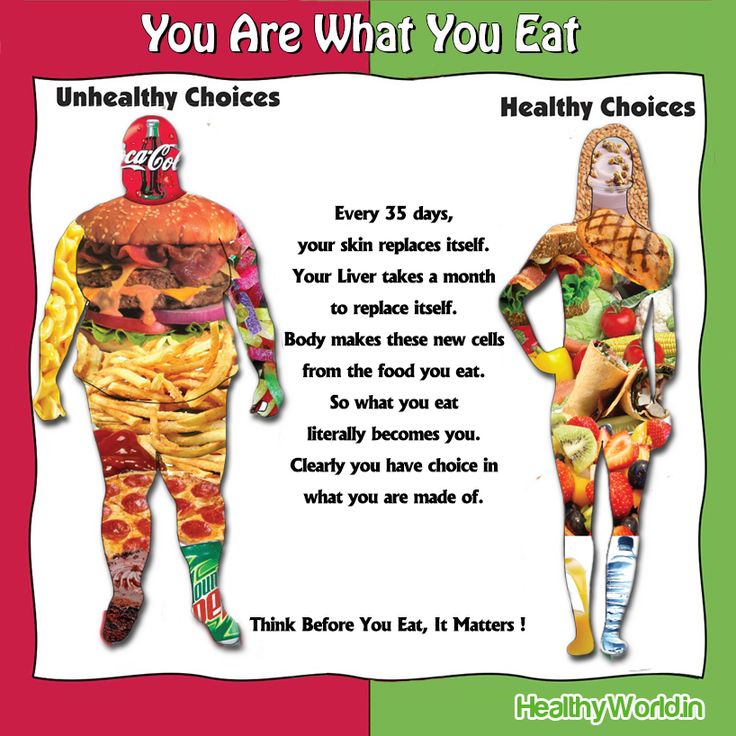 She sat me down and told me about her simple rule. If it’s blue and not a blueberry or if it’s orange and not an orange, DON’T PUT IT IN YOUR BODY! I was pre-med and so she asked me a series of semi-technical questions about which receptors in the body were set up to receive certain ingredients in foods. I think she believed that approaching it academically would make it sink in faster. And she was right. That was when the light bulb went off in my head. MOST of the “ingredients” in processed foods get sloughed off to the kidneys and liver for processing without the body even getting ANY nutrition from them.
She then sat me down and asked me to make a grocery list for the next week. I was a college kid, what did I know about scratch cooking. Convenience AND fast foods were a necessity, weren’t they? She proceeded to cross off half my list, told me to ignore the advertisers who lied regularly and taught me how to “Perimeter Shop” and we discussed the benefits of scratch cooking. Within a few weeks we were able to minimize my medications while restoring my healthy lifestyle of exercise and better food habits.
Without a doubt, scratch cooking does take longer! But, it IS healthier.

So what are “perimeter shopping” and “scratch cooking”? Both are super simple. Perimeter shopping at the grocery store is shopping the outer edges of the store – produce, meats, dairy – and avoiding anything boxed, canned or with an ingredient list you can’t even pronounce. And that’s not to say that there aren’t good foods in the center aisles or even bad foods in the perimeter aisles. You just have to learn how to distinguish them for yourself.
Ultra-processed foods are generally industrially manufactured products that contain ingredients rarely found in your own kitchen, such as preservatives, artificial sweeteners, colorings, natural flavors and emulsifiers.
So is that food ultra-processed or relatively natural? Should you put it in your body or not? Keep in mind this holds true for eating out also whether it’s fast food or fine dining. Where do they shop and what cooking processes do they use?
The bottom line is to avoid over processed foods. I keep reading about how they are linked to more and more and even more diet related illnesses – everything from anxiety, diabetes, obesity… to cancer.
I recently read that there is a simple test for testing grains, starches and carbs. Because let’s face it they are not all created equal.
The first is a ratio test. The 10 to 1 test. You want at least 1 gram of fiber for EVERY 10 grams of carbohydrates. For packaged foods like breads, crackers, pastas etc… just check the label to make this calculation. If it doesn’t pass the test check another product until you find one that does. You need this balanced ratio so you’re not choosing a food packed primarily with refined flours and sugars.
And the second is the water test which is akin to your digestive tract. Put a chunk of bread, or a cracker or some of your favorite cereal in a glass of water and let it set a few hours to see what happens. Does it hold together or fall apart? Your mind is probably telling you it’s bad if it’s DOESN’T fall apart, but guess what, it’s wrong.
Ultra-processed foods will fall apart while minimally processed foods will stay primarily intact. You want that food to break down because of the enzymes in our mouths and stomachs that allow these foods to be absorbed by our bodies in a healthy manner AND at a healthy rate, NOT before! Slower digestion is good for you. Give your liver a rest and let your metabolism do its job at a healthy rate. In the long run, you’ll reduce your risk of weight gain, diabetes and other ailments.
Ultra processed foods break down into simple sugars too fast! Many times not making it all the way into your gut to feed healthily on the necessary microbes before breaking down. If they break down too quickly into the simple sugars you get a glucose spike that can lead to diabetes and insulin resistance.